Over recent months, Bio4UP partners have begun staff exchanges in France and Greece, combining joint research with practical training and knowledge sharing. These visits are helping put the project’s research plans into practice as Bio4UP enters the final quarter of its first year in October 2026.
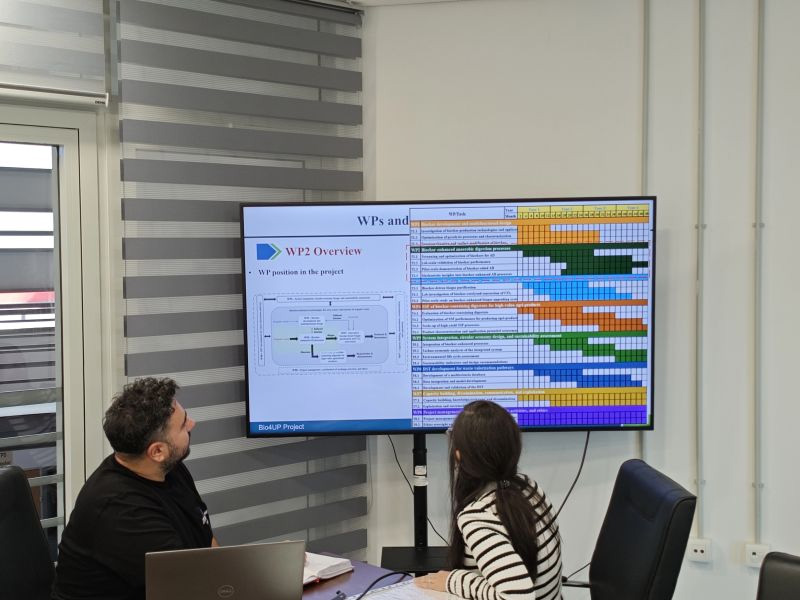
At the start of the visits, host teams and visiting staff discussed the project’s objectives, reviewed the relevant research tasks and agreed on priorities for their time together. Introductory sessions and practical training have helped participants become familiar with the host facilities and the methods needed for their work.
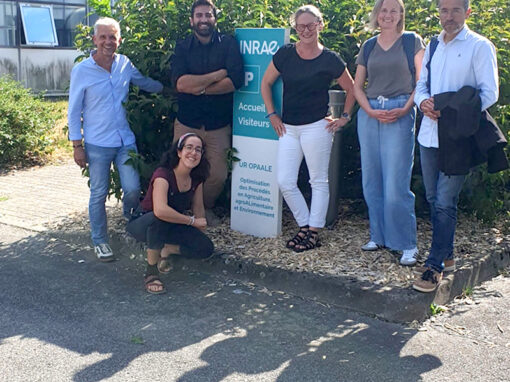
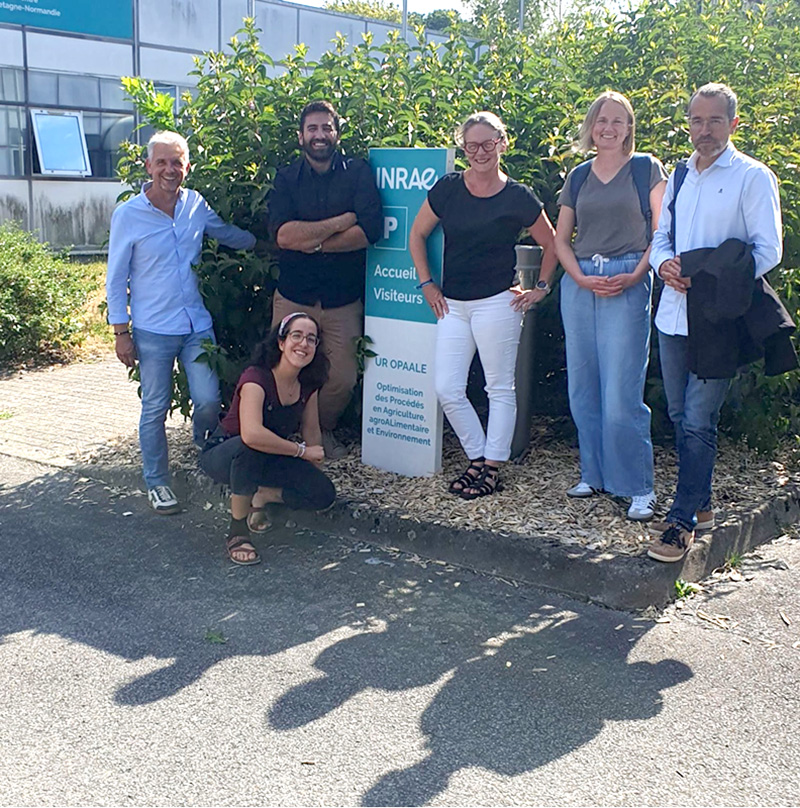
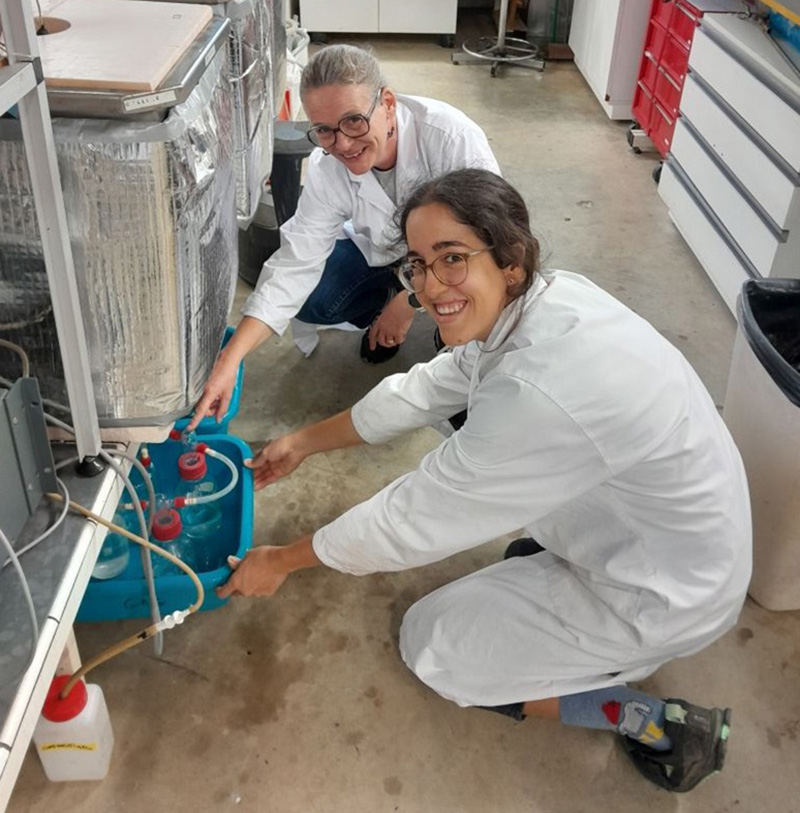
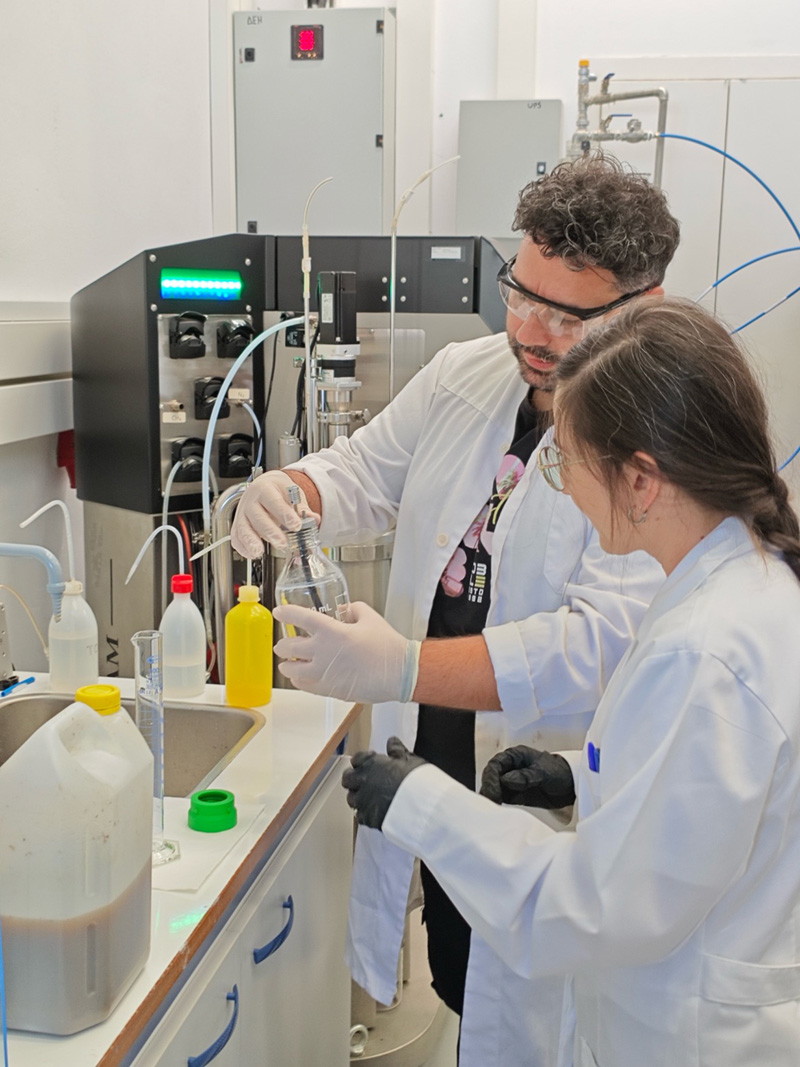
Early exchanges include visits by Elena Olivera Begué from the GICOM research group at the Universitat Autònoma de Barcelona (UAB) and colleagues from AERIS Tecnologías Ambientales to INRAE’s OPAALE research unit in France. These exchanges support research biochar application in different biological organic waste treatment processes. By bringing together complementary expertise from academia and industry, real-scale application becomes a reality for state-of-the-art research.
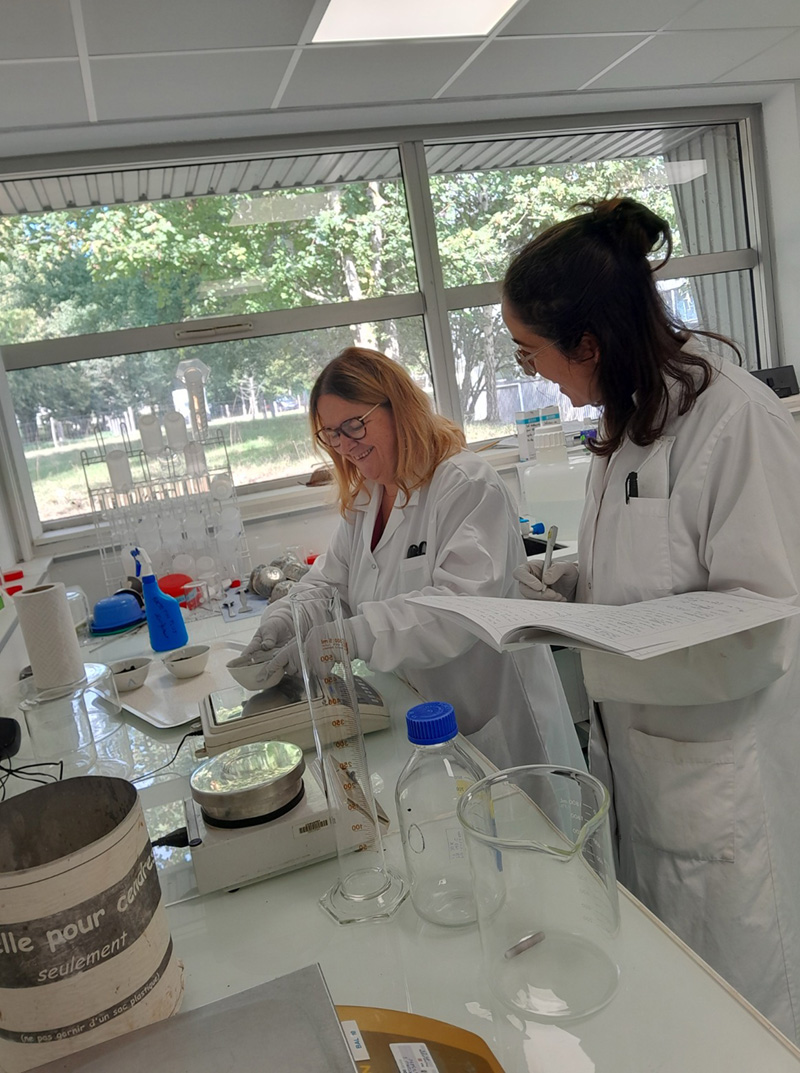
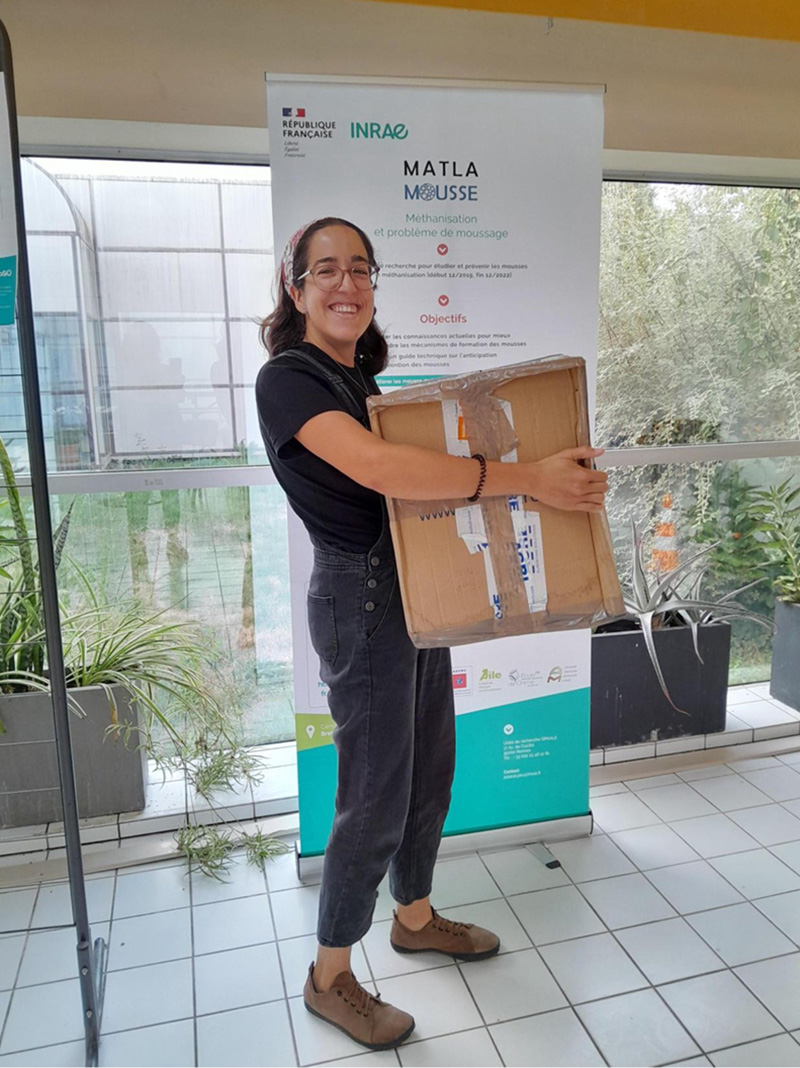
Mid-September Elena visited again the OPAALE unit, this time she will stay until the winter vacations to enter the lab. The experiments performed will contain biochar produced by another Bio4UP partner, the Centre de Ciència i Tecnologia Forestal de Catalunya (CTFC). Upon the biochar arrival, it will be functionalised to research the potential to reduce nitrogen emissions during the composting of digestate. Digestate is a by-product of one of the core processes of this project, Anaerobic Digestion (AD).
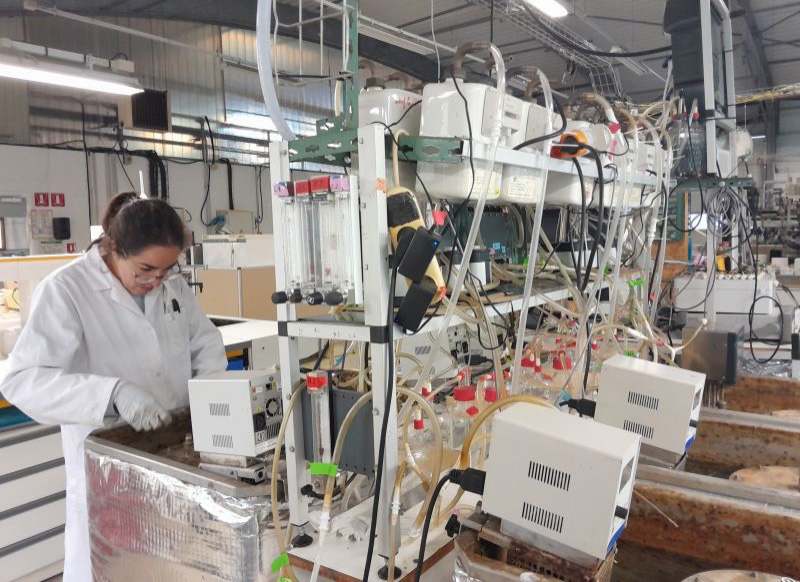
More recently, Raquel Montes Martínez from AERIS has begun a secondment at the Centre for Research and Technology Hellas (CERTH) in Ptolemaida, Greece, focusing on biochar-enhanced anaerobic digestion. Her planned work includes biochemical methane potential tests to investigate how different biochars affect methane production and process performance, alongside hands-on experience in biochar characterisation and biogas analysis. The knowledge gained will support further work at AERIS towards pilot-scale validation.
These activities contribute to Bio4UP’s wider ambition: to develop biochar-enhanced processes that recover more value from organic waste. The project connects research on anaerobic digestion, biogas purification and conversion, and digestate valorisation, aiming to produce renewable energy, useful chemicals and agricultural products while improving environmental and economic performance.
Secondments are central to this effort. Working alongside colleagues in other organisations allows participants to exchange practical skills, access complementary facilities and bring new knowledge back to their home teams. The exchanges also help connect research with industrial needs and build collaborations that can continue beyond the project.
As 2026 draws towards its close, research activities and further secondments continue to take shape across the consortium. Bio4UP thanks the host teams and participating staff for their commitment and looks forward to sharing further updates as the work progresses.